
Services
Dyspraxia
What is Dyspraxia
Dyspraxia (Developmental Coordination Disorder DCD)
To be exact, Developmental Coordination Disorder (DCD) is an ‘umbrella’ term that covers a number of motor coordination conditions and Dyspraxia is the most common of these so the names are often interchanged.
Definition
Dyspraxia/DCD is a common neurological condition affecting motor coordination and sensory processing in children and adults. It is experienced by between 5 and 8% of all school aged children, three times more males than females. It affects the way the brain transmits motor messages to the body. In simple terms – It affects the way the brain ‘tells’ the body what to do! The key feature of Dyspraxia is difficulty in planning, organising and carrying out movements in everyday situations. It can also involve problems with memory, concentration, speech, social skills and emotional difficulties. It does not affect a person’s intelligence but it is the organisation and output of that intelligence causes problems.
Individuals with Dyspraxia can present very differently depending on the particular symptoms of Dyspraxia they experience and the severity of their condition. From a wide range of possible symptoms, each person will only experience some of these.
Although dyspraxia may occur in isolation, it frequently coexists with other conditions such as Attention Deficit Hyperactive Disorder (ADHD), dyslexia, language disorders and social, emotional and behavioural impairments.
Causes
There is no known cause. Research suggests that it is due to an immaturity of neurone (nerve cell) development in the central nervous system. Dyspraxia sometimes runs in families.
Symptoms
Dyspraxia/DCD affects Fine motor coordination (small hand and finger movements) making tasks such as closing buttons, tying shoe laces, using a scissors and handwriting difficult. It also affects Gross motor coordination, (large body movements) making tasks such as hopping, climbing, playing football, swimming and cycling difficult.
Signs of dyspraxia include clumsiness, confusion over left and right hands, poor body awareness and posture, poor sense of direction. People with dyspraxia often have difficulty with the routine tasks of daily life such as driving, household chores, cooking and budgeting. The motor coordination difficulties may also impact on their academic progress, social integration and emotional development.
In addition to the physical impairments, Dyspraxia is associated with problems with memory, especially working memory. This typically results in difficulty remembering instructions, difficulty organizing one’s time and remembering deadlines, problems carrying out tasks which require remembering several steps in sequence (such as cooking) and increased tendency to lose things. While most of the general population experience these problems to some extent, people with Dyspraxia experience them to a much greater degree.
People with Dyspraxia sometimes have difficulty controlling the amount of sensory information that their body is transmitting to the brain, so as a result such people are prone to sensory overload and panic attacks.
The symptoms are described in more detail in the three stages of life – children, teenagers and adults.
Incidence
Dyspraxia is thought to affect up to ten per cent of the population in varying degrees and up to two per cent severely. There are believed to be one to two children affected in every class of 30 children. Males are four times more likely to be affected than females.
Treatment/Prognosis
At present there is no known cure for dyspraxia, but there is are many therapies and activities that can improve the condition. Most essential tasks can be learnt by people with Dyspraxia but this can take longer requiring them to practice much more than average. Given the right help and support, an individual with dyspraxia can develop strategies to avoid the tasks that they find most difficult and use their strengths to enhance their life and reach their full potential.
What is Sensory Processing Disorder?
Sensory Processing (also called Sensory Integration)
Definition
Sensory processing refers to the way the nervous system receives messages from the sensory organs and transmits them to the brain where they are interpreted and organised into response messages and transmitted out to the body to ‘tell it’ how to react.
There are eight sensory systems in the body, five that we are very familiar with and three that are just as important but not as well known:
| System | Sebse | Sensory Organ | ||
| Visual | Sense of Sight | the Eye | ||
| Auditory | Sense of Hearing | the Ear | ||
| Tactile | Sense of Touch | the Skin | ||
| Olfatory | Sense of Smell | the Nose | ||
| Gustatory | Sense of Taste | the Mouth | ||
| Vestibular | Sense of Balance | the Inner Ear | ||
| Proprioception | Sense of Movement | Sensors in Muscles & Joints | ||
| Interoception | Sense of Internal Regulation | Sensors in Internal Organs, Heart, Stomach, Kidneys |
Each of these systems is constantly transmitting information to the brain to keep it informed of the movement and well-being of the body and its immediate environment. Therefore the brain is dealing with a vast amount of information which it has to Integrate (link together) and Interpret (understand) in order to Respond by sending an instruction to the body.
Here is a simple example: If you touch something very hot with your finger, your sense of touch (which has sensors in the skin) is stimulated, it transmits a message to the brain, the brain interprets this message and sends a response message to the muscles and joints of your hand, ‘telling them’ to move it away from the heat. Of course these messages are going to and from the brain in milliseconds to enable almost instant reactions.
Sensory Processing Disorder SPD (also called Sensory Integration Dysfunction)
Definition
SPD is caused when a fault occurs with the transmission or interpretation of the sensory information. As a result it does not get organised into appropriate responses. People with SPD perceive and respond to sensory information differently than most other people.
Sensory information gets “mixed up” in their brain and therefore their responses are inappropriate to the situation they are in.
A more formal definition is: SPD is a neurologic condition in which sensory information either from the environment or from one’s body is poorly detected, integrated or interpreted causing atypical responses.
Pioneering Occupational Therapist, psychologist, and Neuroscientist Jean Ayres, Ph.D., likened SPD to a neurological “traffic jam” that prevents certain parts of the brain from receiving the information needed to interpret a situation correctly.
Causes
The exact cause of Sensory Processing Disorder has not yet been identified. Preliminary studies and research suggest that SPD may be inherited. Prenatal and birth complications have also been identified as causes of SPD, as well as certain environmental factors.
Incidence
Sensory Processing Disorder can affect anyone. Studies indicate that 5% to 10% of children exhibit symptoms of SPD. Ben Sasoon, Carter et. al., 2009)
Most children with Sensory Processing Disorder (SPD) are just as intelligent as their peers. Many are intellectually gifted. Their brains are just wired differently.
Symptoms
SPD can occur in just one sensory system or in a combination of the eight systems (above) The symptoms of SPD vary greatly depending upon 1) the sense that is affected, 2) how that sense is affected, and 3) the severity of the condition.
People with SPD misinterpret everyday sensory information, such as touch, sound, and movement. They may feel bombarded by information (over responsive) or they may be unaware of sensations that others feel (under responsive).
Individuals who are over responsive to sensory information:
- Are more sensitive to sensory stimulation than most people. Their bodies feel sensation too easily or too intensely.
- They are often quiet and passive, not responding to stimuli of the usual intensity available in their sensory environment.
- They may appear withdrawn, difficult to engage and or self-absorbed because they do not detect the sensory input in their environment.
- Their under responsivity to tactile, vestibular or proprioceptive stimuli may lead to poor body awareness clumsiness.
- They may not respond to social cues, objects that are too hot or cold or they may not feel pain in response to bumps, falls, cuts, or scrapes.
These difficulties put children with SPD at risk of many emotional, social, and educational problems, including the inability to make friends or be a part of a group, poor self-concept, academic difficulties, and being labelled clumsy, uncooperative or disruptive. They can experience anxiety, aggression, or other behaviour problems
Treatment
Effective treatment for Sensory Processing Disorder is available, but far too many children with sensory symptoms are misdiagnosed and not properly treated. Untreated SPD that persists into adulthood can affect an individual’s ability to succeed in relationships, work, and social environments.
Once children with Sensory Processing Disorder have been accurately diagnosed, they benefit from a treatment program of occupational therapy (OT) using a Sensory Integration approach. When appropriate and applied by a well-trained clinician, listening therapy or other complementary therapies such as Behavioural Optometry are also very effective.
Sensory Integration Therapy usually takes place in a special ‘sensory-rich’ gym. During OT sessions, the therapist guides the child through fun activities that are subtly structured so the child is constantly challenged but always successful.
The goal of Occupational Therapy is to develop appropriate responses to sensation in an active, meaningful, and fun way so the child is able to behave in a more functional manner. Over time, the appropriate responses generalise to the environment beyond the Gym including home, school, and the larger community. Effective Sensory Integration Therapy thus enables children with SPD to take part in the normal activities of childhood, such as playing with friends, enjoying school, eating, dressing, and sleeping.
What is Dysgraphia?
Dysgraphia
Definition
Dysgraphia is an inability to write legibly, but it is more than just having bad handwriting. It is classified as a Specific Learning Difficulty. People with dysgraphia can have trouble organising letters, numbers, and words on a line or page. This can result partly from weak Fine Motor coordination (movement of hands and fingers), Visual-spatial difficulties (trouble processing what the eye sees) or from Language Processing Difficulty (trouble processing and making sense of what the ear hears).
The Diagnostic and Statistical Manual of Mental Disorders-5 (DSM-5) doesn’t use the term dysgraphia but uses the phrase “an impairment in written expression” under the category of “specific learning disorder.
Dysgraphia can be broken down into three subcategories, depending on where the writing difficulty lies. Someone with dysgraphia may have one, two, or three of these subtypes:
- Motor Dysgraphia – People with this subtype often spell reasonably well, but still have poor legibility in spontaneous as well as copied written work. With extreme effort, writing may be acceptable in short samples, but in longer samples, problems with letter formation, letter size, and letter or word omission become increasingly common. Writing is very time consuming for those with motor dysgraphia, and becomes unsustainably painful after a short period of time. The overall speed is usually low.
- Spatial Dysgraphia – characterised by difficulties with the space allotted for writing. Letters tend to vary in size, may not be placed on the line and the spaces between letters and between words are inconsistent. Spontaneous and copied written samples are untidy or illegible, spelling and overall speed may be normal.
- Dyslexic Dysgraphia – characterised by unusual spelling and poor legibility in spontaneous written work. If the work is copied, legibility improves dramatically. Overall speed is usually normal. A person can have dyslexic dysgraphia without actually being dyslexic.
Impact on learning skills & development
As with all specific learning disabilities (SpLD), dysgraphia is a lifelong challenge, and how it manifests may change over time. Here is a list of common symptoms of dysgraphia that may be noted at different ages and stages:
In the Early-years learner
- Tight, awkward pencil grip and body position
- Avoiding writing or drawing tasks
- Difficulty forming letters shapes
- Inconsistent spacing between letters/words
- Poor understanding of upper and lowercase letters
- Inability to write or draw in a line or keep within margins
- Tires quickly while writing
In Young Students
- Illegible handwriting
- Mixture of cursive and print writing
- Saying words out loud while writing
- Concentrate on writing so much that they don’t comprehend what they’ve written
- Difficulty thinking of words to write
- Unfinished or omitted words in sentences
In Teenagers and Adults
- Difficulty organizing thoughts on paper
- Trouble keeping track of thoughts already written down
- Difficulty with syntax structure and grammar
- Large gap between written ideas and understanding demonstrated through speech
Learning Strategies and Supports
A student with dysgraphia can benefit from specific accommodations in the learning environment. Extra practise in learning the skills required to be an accomplished writer can also help. Ways to help a person with dysgraphia fall into three main categories:
Accommodations: providing alternatives to written expression e.g.
Use a computer – Older children may find the use of a laptop beneficial. They will be able to get their thoughts down and think about how work should appear, readily changing order and sequence – rather than be frustrated by the physical challenges of hand writing.
Voice recognition software such as Dragon is increasingly popular and although it won’t improve your child’s handwriting it will help them to get their thoughts on paper.
To qualify for additional supports a Writing Assessment is required.
Symptoms of Dyspraxia/DCD in Children
Symptoms of Dyspraxia/DCD in Children
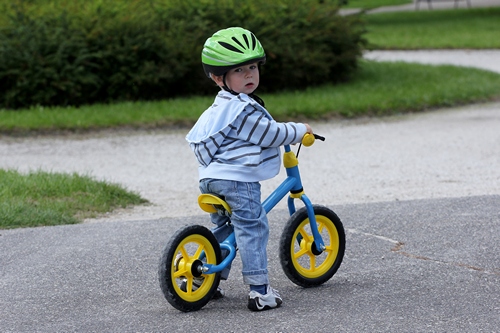
Children with Dyspraxia tend to fall loosely into two groups:
Those with high muscle tone who tend to be overactive, loud and over responsive and
Those with low muscle tone who tend to be underactive, slouching, quiet, under responsive.
Both groups experience difficulty with coordination, balance, planning, social skills and confidence. The symptoms of dyspraxia can vary between individuals and may change over time. Any one child might only experience a few of the following symptoms.
- May tend to be over-active or under-active
- Frequently bumps into objects and trips or falls
- Unusual gait (way of walking or running)
- Difficulty with pedalling a tricycle or learning to cycle
- Lack of any sense of danger or overly cautious (jumping from heights etc)
- Messy when eating, face gets more dirty than average
- Difficulty using knife and fork may prefer to eat with their fingers,
- Clumsy movements often spills drinks or knocks things over
- Avoids constructional toys, such as jigsaws or building blocks
- Poor fine motor skills. Difficulty in holding a pencil or using scissors.
- Drawings may appear immature
- Difficulty with school routines, e.g. sitting still, lining up, organising his/her lunch
- Difficulties in Physical Education lessons
- Slow at dressing. Difficulty with shoe laces, buttons, belts etc.
- Difficulty with forming letters, slow awkward handwriting
- Immature drawing and copying skills
- Limited concentration and poor listening skills
- Inability to remember more than two or three instructions at once
- Slow completion of class work
- Hand flapping or clapping when excited
- Tendency to become easily distressed and emotional
- Often lacks confidence
- Difficulties forming and retaining relationships with other children
- Sleeping difficulties, including wakefulness at night and nightmares
Symptoms of Dyspraxia/DCD in Teens
Sensory Processing (also called Sensory Integration)
Definition
Sensory processing refers to the way the nervous system receives messages from the sensory organs and transmits them to the brain where they are interpreted and organised into response messages and transmitted out to the body to ‘tell it’ how to react.
There are eight sensory systems in the body, five that we are very familiar with and three that are just as important but not as well known:
| System | Sebse | Sensory Organ | ||
| Visual | Sense of Sight | the Eye | ||
| Auditory | Sense of Hearing | the Ear | ||
| Tactile | Sense of Touch | the Skin | ||
| Olfatory | Sense of Smell | the Nose | ||
| Gustatory | Sense of Taste | the Mouth | ||
| Vestibular | Sense of Balance | the Inner Ear | ||
| Proprioception | Sense of Movement | Sensors in Muscles & Joints | ||
| Interoception | Sense of Internal Regulation | Sensors in Internal Organs, Heart, Stomach, Kidneys |
Each of these systems is constantly transmitting information to the brain to keep it informed of the movement and well-being of the body and its immediate environment. Therefore the brain is dealing with a vast amount of information which it has to Integrate (link together) and Interpret (understand) in order to Respond by sending an instruction to the body.
Here is a simple example: If you touch something very hot with your finger, your sense of touch (which has sensors in the skin) is stimulated, it transmits a message to the brain, the brain interprets this message and sends a response message to the muscles and joints of your hand, ‘telling them’ to move it away from the heat. Of course these messages are going to and from the brain in milliseconds to enable almost instant reactions.
Sensory Processing Disorder SPD (also called Sensory Integration Dysfunction)
Definition
SPD is caused when a fault occurs with the transmission or interpretation of the sensory information. As a result it does not get organised into appropriate responses. People with SPD perceive and respond to sensory information differently than most other people.
Sensory information gets “mixed up” in their brain and therefore their responses are inappropriate to the situation they are in.
A more formal definition is: SPD is a neurologic condition in which sensory information either from the environment or from one’s body is poorly detected, integrated or interpreted causing atypical responses.
Pioneering Occupational Therapist, psychologist, and Neuroscientist Jean Ayres, Ph.D., likened SPD to a neurological “traffic jam” that prevents certain parts of the brain from receiving the information needed to interpret a situation correctly.
Causes
The exact cause of Sensory Processing Disorder has not yet been identified. Preliminary studies and research suggest that SPD may be inherited. Prenatal and birth complications have also been identified as causes of SPD, as well as certain environmental factors.
Incidence
Sensory Processing Disorder can affect anyone. Studies indicate that 5% to 10% of children exhibit symptoms of SPD. Ben Sasoon, Carter et. al., 2009)
Most children with Sensory Processing Disorder (SPD) are just as intelligent as their peers. Many are intellectually gifted. Their brains are just wired differently.
Symptoms
SPD can occur in just one sensory system or in a combination of the eight systems (above) The symptoms of SPD vary greatly depending upon 1) the sense that is affected, 2) how that sense is affected, and 3) the severity of the condition.
People with SPD misinterpret everyday sensory information, such as touch, sound, and movement. They may feel bombarded by information (over responsive) or they may be unaware of sensations that others feel (under responsive).
Individuals who are over responsive to sensory information:
- Are more sensitive to sensory stimulation than most people. Their bodies feel sensation too easily or too intensely.
- They are often quiet and passive, not responding to stimuli of the usual intensity available in their sensory environment.
- They may appear withdrawn, difficult to engage and or self-absorbed because they do not detect the sensory input in their environment.
- Their under responsivity to tactile, vestibular or proprioceptive stimuli may lead to poor body awareness clumsiness.
- They may not respond to social cues, objects that are too hot or cold or they may not feel pain in response to bumps, falls, cuts, or scrapes.
These difficulties put children with SPD at risk of many emotional, social, and educational problems, including the inability to make friends or be a part of a group, poor self-concept, academic difficulties, and being labelled clumsy, uncooperative or disruptive. They can experience anxiety, aggression, or other behaviour problems
Treatment
Effective treatment for Sensory Processing Disorder is available, but far too many children with sensory symptoms are misdiagnosed and not properly treated. Untreated SPD that persists into adulthood can affect an individual’s ability to succeed in relationships, work, and social environments.
Once children with Sensory Processing Disorder have been accurately diagnosed, they benefit from a treatment program of occupational therapy (OT) using a Sensory Integration approach. When appropriate and applied by a well-trained clinician, listening therapy or other complementary therapies such as Behavioural Optometry are also very effective.
Sensory Integration Therapy usually takes place in a special ‘sensory-rich’ gym. During OT sessions, the therapist guides the child through fun activities that are subtly structured so the child is constantly challenged but always successful.
The goal of Occupational Therapy is to develop appropriate responses to sensation in an active, meaningful, and fun way so the child is able to behave in a more functional manner. Over time, the appropriate responses generalise to the environment beyond the Gym including home, school, and the larger community. Effective Sensory Integration Therapy thus enables children with SPD to take part in the normal activities of childhood, such as playing with friends, enjoying school, eating, dressing, and sleeping.
Symptoms of Dyspraxia/DCD in Adults
Dysgraphia
Definition
Dysgraphia is an inability to write legibly, but it is more than just having bad handwriting. It is classified as a Specific Learning Difficulty. People with dysgraphia can have trouble organising letters, numbers, and words on a line or page. This can result partly from weak Fine Motor coordination (movement of hands and fingers), Visual-spatial difficulties (trouble processing what the eye sees) or from Language Processing Difficulty (trouble processing and making sense of what the ear hears).
The Diagnostic and Statistical Manual of Mental Disorders-5 (DSM-5) doesn’t use the term dysgraphia but uses the phrase “an impairment in written expression” under the category of “specific learning disorder.
Dysgraphia can be broken down into three subcategories, depending on where the writing difficulty lies. Someone with dysgraphia may have one, two, or three of these subtypes:
- Motor Dysgraphia – People with this subtype often spell reasonably well, but still have poor legibility in spontaneous as well as copied written work. With extreme effort, writing may be acceptable in short samples, but in longer samples, problems with letter formation, letter size, and letter or word omission become increasingly common. Writing is very time consuming for those with motor dysgraphia, and becomes unsustainably painful after a short period of time. The overall speed is usually low.
- Spatial Dysgraphia – characterised by difficulties with the space allotted for writing. Letters tend to vary in size, may not be placed on the line and the spaces between letters and between words are inconsistent. Spontaneous and copied written samples are untidy or illegible, spelling and overall speed may be normal.
- Dyslexic Dysgraphia – characterised by unusual spelling and poor legibility in spontaneous written work. If the work is copied, legibility improves dramatically. Overall speed is usually normal. A person can have dyslexic dysgraphia without actually being dyslexic.
Impact on learning skills & development
As with all specific learning disabilities (SpLD), dysgraphia is a lifelong challenge, and how it manifests may change over time. Here is a list of common symptoms of dysgraphia that may be noted at different ages and stages:
In the Early-years learner
- Tight, awkward pencil grip and body position
- Avoiding writing or drawing tasks
- Difficulty forming letters shapes
- Inconsistent spacing between letters/words
- Poor understanding of upper and lowercase letters
- Inability to write or draw in a line or keep within margins
- Tires quickly while writing
In Young Students
- Illegible handwriting
- Mixture of cursive and print writing
- Saying words out loud while writing
- Concentrate on writing so much that they don’t comprehend what they’ve written
- Difficulty thinking of words to write
- Unfinished or omitted words in sentences
In Teenagers and Adults
- Difficulty organizing thoughts on paper
- Trouble keeping track of thoughts already written down
- Difficulty with syntax structure and grammar
- Large gap between written ideas and understanding demonstrated through speech
Learning Strategies and Supports
A student with dysgraphia can benefit from specific accommodations in the learning environment. Extra practise in learning the skills required to be an accomplished writer can also help. Ways to help a person with dysgraphia fall into three main categories:
Accommodations: providing alternatives to written expression e.g.
Use a computer – Older children may find the use of a laptop beneficial. They will be able to get their thoughts down and think about how work should appear, readily changing order and sequence – rather than be frustrated by the physical challenges of hand writing.
Voice recognition software such as Dragon is increasingly popular and although it won’t improve your child’s handwriting it will help them to get their thoughts on paper.
To qualify for additional supports a Writing Assessment is required.
Assessment
Why would an Assessment be necessary?
If a person was experiencing some or all of the following symptoms of Dyspraxia:
Symptoms of Dyspraxia/DCD in Children

Children with Dyspraxia tend to fall loosely into two groups 1) Those with high muscle tone and low sensitivity who tend to be overactive, loud and over responsive and 2) Those with low muscle tone and high sensitivity who tend to be underactive, slouching, quiet, under responsive. Both groups experience difficulty with coordination, balance, planning, social skills and confidence. The symptoms of dyspraxia can vary between individuals and may change over time. Any one child might only experience a few of the following symptoms.
- May tend to be over-active or under-active
- Frequently bumps into objects and trips or falls
- Unusual gait (way of walking or running)
- Difficulty with pedalling a tricycle or learning to cycle
- Lack of any sense of danger or overly cautious (jumping from heights etc)
- Messy when eating, face gets more dirty than average
- Avoids constructional toys, such as jigsaws or building blocks
- Poor fine motor skills. Difficulty in holding a pencil or using scissors.
- Drawings may appear immature
- Difficulty using knife and fork may prefer to eat with their fingers,
- Clumsy movements often spills drinks or knocks things over
- Difficulty with school routines, e.g. sitting still, lining up, organising his/her lunch
- Difficulties in Physical Education lessons
- Slow at dressing. Difficulty with shoe laces, buttons, belts etc.
- Difficulty with forming letters, slow awkward handwriting
- Immature drawing and copying skills
- Limited concentration and poor listening skills
- Inability to remember more than two or three instructions at once
- Slow completion of class work
- Hand flapping or clapping when excited
- Tendency to become easily distressed and emotional
- Often lacks confidence
- Difficulties forming and retaining relationships with other children
- Sleeping difficulties, including wakefulness at night and nightmares
Symptoms of Dyspraxia/DCD in Teens

The symptoms of Dyspraxia can vary between individuals and may change over time. Any one person might only experience a few of the following symptoms.
When a child with Dyspraxia moves up to secondary school it may expose their social weaknesses, as they are now the youngest in the school. Difficulties in keeping up with their peer group will now become more and more obvious and they are at real risk of becoming isolated. Teenage language and chatter is fast, witty and difficult to keep up with.
In some cases Dyspraxia is not identified until the child reaches secondary school. They may have managed to cope in their previous schools with only minor difficulties. The structure of secondary schools with different teachers and movement from class to class may prove to be more difficult for the young person.
- Difficulty keeping up with the Teacher in class
- Difficulty following instructions
- Difficulty coping with the organisational skills that are required in secondary school, books/locker/classes
- Difficulties with physical activities especially team sports.
- Difficulty with eye-hand and eye-foot co-ordination (i.e. cookery, science, art woodwork)
- Poor posture, body awareness and clumsy or awkward movements
- Tendency to lose or forget things
- Poor concentration in class
- Poor short term visual and verbal memory – copying from the board, following instructions
- Writing difficulties both with style and speed – frequently students have an awkward pen grip
- Difficulty getting the information from his/her mind down in writing, e.g. essays or long answers
- Particularly sensitive and easily upset
- Problems with time keeping, needs constant reminders
- Often have poor exercise tolerance, tire easily and may require longer periods of rest and sleep
- Extra sensitive to external stimulation e.g. different levels of light, sound and smell
- Particularly fussy about food
- Overly aware of the ‘feel’ of clothes, labels, fabric, tightness etc
- Lack of awareness or over-cautious of potential danger.
- Feeling of inadequate or different
- Tendency to be a loner and have limited development of social skills
Symptoms of Dyspraxia/DCD in Adults

Dyspraxia/DCD is a condition only really recognised in the last 20 years or so. This means there could be many adults with dyspraxia who were not diagnosed as children. Over many years adults with poor coordination and organisation skills tend to find ways around many of these problems and focus on their strengths. For example an adult does not have to play sport or cycle or study if they don’t want to and there are many hobbies and types of work that adults with Dyspraxia can manage very well. However, under the surface there is often an acute awareness of an awkwardness, an on-going struggle to keep up, a self-consciousness an over whelming tiredness and a feeling that others don’t know or understand how hard life can be
The symptoms of dyspraxia can vary between individuals and may change over time. Any one adult might only experience a few of the following symptoms.
Difficulty with organisation and day-to-day tasks in the home or at work, e.g.
- Self-care, hair styling, make-up, cutting nails, shaving
- Choosing stylish clothes, matching, colours, sizing
- Writing, typing, filing
- Riding a bike and playing sport
- Driving a car, meal preparation or DIY
- Shopping, remembering what to get, sell-by dates etc
- Meal preparation as it involves multi-tasking.
- Laundry, sorting colours and fabrics for washing
- Hanging clothes efficiently, ironing
- Making appointments and remembering them
- Time management
- Clumsiness of knocking things over, spilling or tripping really causes embarrassment.
- Adults with dyspraxia may also have social and emotional difficulties, as well as problems with time management, colleagues, neighbours etc.
- Poor sense of direction difficulty finding places.
- Has a tendency to start classes/courses but not finish them
- Limited sense of fashion, choice of clothes, matching etc.
- Great difficulty with multi-tasking, e.g. checking a child’s homework while cooking the dinner
- Weak short-term memory causing the individual to lose or forget their keys, phone, bag, wallet etc.
- Weak at dealing with the unexpected
- Slower than average in processing information or instructions
- Tires more easily than average.
- Lacking sensitivity or over sensitive
- Problems with budgeting
How can you access an Assessment?
How can you access an Assessment?
Some people are referred for an assessment by their School, others by an Educational Psychologist, Speech and Language Therapist or their G.P.
However, a referral from a professional is not necessary. Parents who are concerned about their children or teenagers can phone or email to discuss their concerns and if necessary to make an appointment for an assessment.
Adults can phone or email on their own behalf to discuss their concerns and if necessary to make an appointment for an assessment.
monicamm@eircom.net Tel 01 4907490
Individual Occupational Therapy Assessment
What does an Individual Occupational Therapy Assessment involve?
Following initial discussion by phone, if it is decided that an assessment is required, an appointment is made.
Individual assessments take place in a designated assessment room in a private house in Terenure Dublin. They are usually carried out in the morning when the candidate is at their most alert and last for approximately three hours, e.g. 10am-1pm.
In an assessment I would observe the individual in a range of situations, carrying out a variety of carefully selected tasks. These tasks will be in the areas of Gross Motor Skills, Fine Motor Skills, Literacy and Numeracy, Sensory Processing, Language, Concentration, Organisation and Social Skills. This wide range of tasks enables me to identify the strengths and needs of the individual.
A range of standardised assessments, recognised tests and clinical observations form the basis of the assessment.
Following the assessment, scores are interpreted, observations analysed and conclusions reached. Specific diagnosis may be made at this stage. These findings are then presented along with recommendations and appropriate referrals, in a detailed professional report. This report is recognised by the Department of Education and Skills
Questions
What else does the service provide?
- Liaison with Primary and Secondary schools, 3rd level institutions, work places, families and other professionals.
- Talks and Training for Teachers and Parent groups on how to identify and support people with Coordination and Sensory difficulties.
- The STEER Screening Test for identifying Specific Learning Difficulties
Get In Touch
Call
(855)-491-9967
optima@yoursite.com
Address
1234 Divi St. #100, San Francisco, CA 93150
Hours
Mon – Fri: 10am – 9pm
Weekends: 10am – 3m